Carbon Block QC Procedure
Procedure QC for Sintered Carbon Block Filters
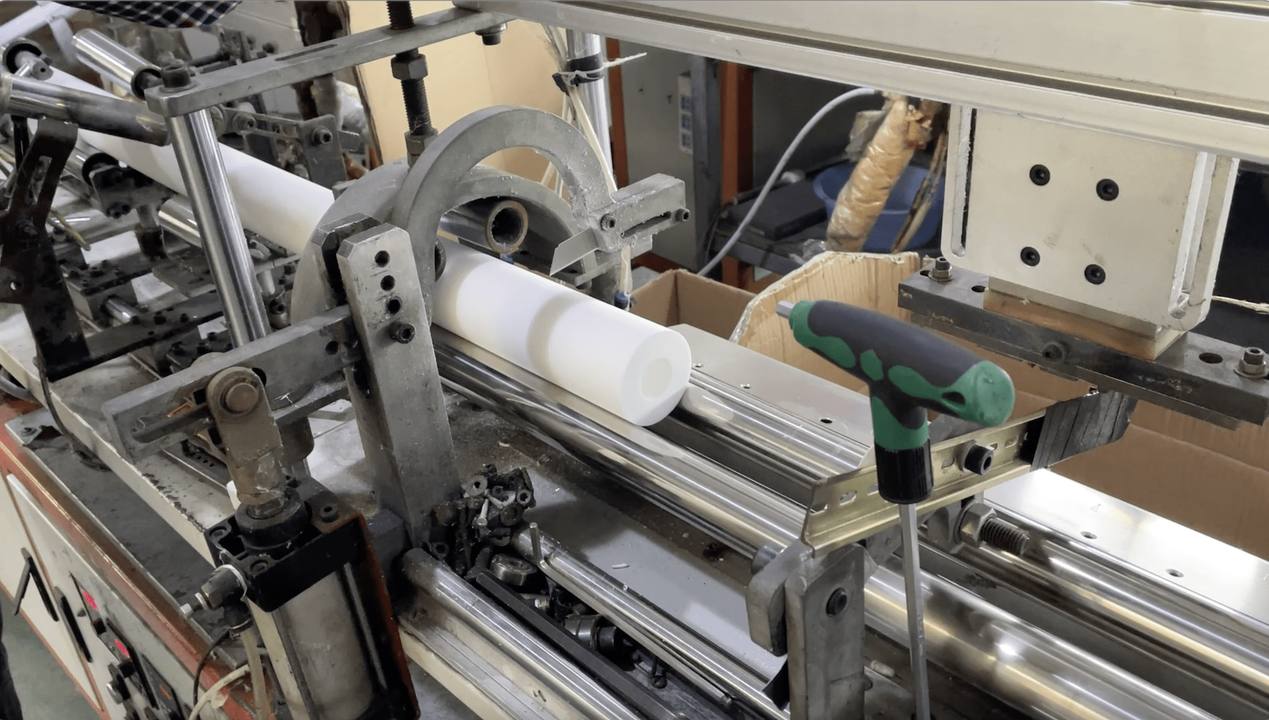
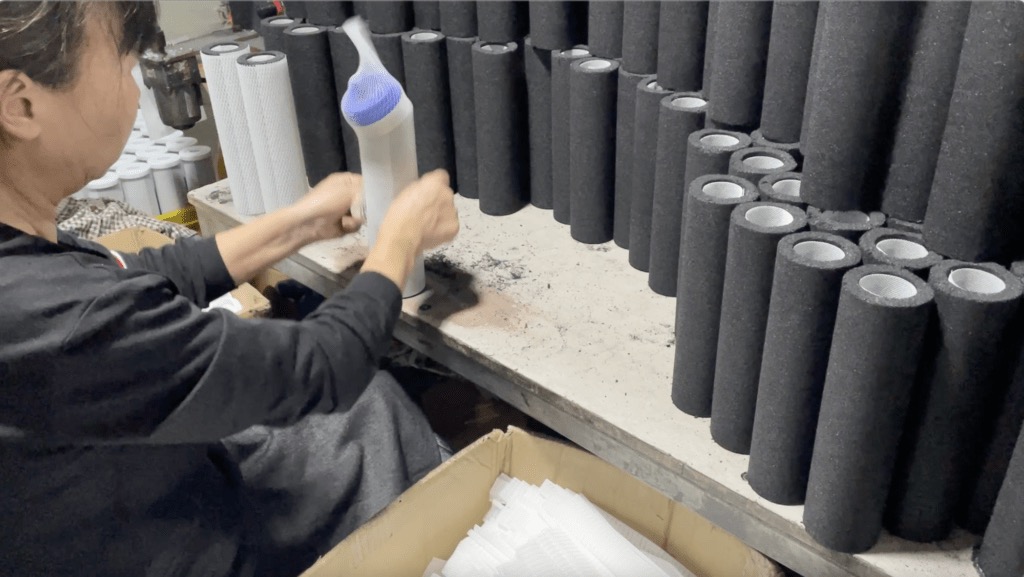
For carbon block filter orders, Yuchen Water controls formulation design, mixing, filling, pressure forming, sintering, cutting and packing. This workshop procedure keeps pore distribution, strength, chlorine reduction performance and OEM dimensions stable for B2B buyers.
Finished Product QC: Sample Design
Before mass production, each order is sampled according to company standards or customer requirements. The formula, sintering time, temperature and process parameters are confirmed first. Samples can be checked by aeration testing and repeated pressurization cycle testing so that pore distribution, mechanical strength, chlorine reduction, taste and odor removal performance stay within the agreed specification.
Production procedure
During production, operators monitor the key equipment parameters, including temperature, frequency, pressure and filling weight. These controls help the carbon block line run steadily and keep each batch suitable for OEM water filter cartridge orders.
Finished product testing
Finished cartridges are inspected by batch sampling or full inspection according to the order requirement. QC checks look for visible defects, cracks, abnormal weight, unstable pressure drop and filtration performance issues before packing.
Typical carbon block performance
Available nominal filtration ratings include 0.5, 1, 5 and 10 microns with high dirt holding capacity. Coconut shell activated carbon blocks are designed to reduce chlorine, taste, odor and VOCs, keep low pressure drop, avoid carbon fines release and offer a cost-effective alternative to extruded carbon block filters.
Documentation and custom service
For projects that require supporting documents, selected materials or products can be validated or tested according to WQA and NSF/ANSI 42 material requirements when applicable and confirmed for the order. OEM clients can request custom carbon blocks with different OD, ID, length, shapes, logo labels and packaging. Coconut shell activated carbon options can be supplied with iodine value above 1000 and methylene blue adsorption above 120 when specified.
 Yuchen Water